Spaces of Happiness.
Nature, Sustainability, and Aesthetic Experience in Viikki Church, Finland
Espacios de felicidad. Naturaleza, sostenibilidad y experiencia estética en la Viikki Church, Finlandia
Hee Sook
Lee-Niinioja · Independent Scholar, Helsinki, Finland · leeheesook@hotmail.com · https://orcid.org/0000-0003-3138-5663
Recibido:
15/03/2026
Aceptado: 18/04/2026
Abstract
This paper
examines Helsinki’s Viikki Church (JKMM Architects, 2000-05) as modern
architecture where aesthetics, sustainability, and nature converge to create
‘Spaces of happiness’. It examines materiality, light, colour, and symbolic
elements through Lefebvre’s spatial triad and semiotics. The church’s
minimalist style and ecological design principles provide a multisensory
environment of serenity, clarity, and connectedness to nature. Viikki Church
represents sustainable sacred architecture, where caring for the environment,
cultural identity, and emotional wellness support each other, based on an
analysis of the building and its theoretical ideas. The results demonstrate how
architecture combines ecological responsibility, sensory richness, and symbolic
depth to promote happiness.
Keywords
Viikki
Church, space of happiness, Lefebvre’s spatial theory, semiotics,
sustainability
RESUMEN
Este artículo examina la iglesia de Viikki (JKMM Architects, 2000-05) en Helsinki como un ejemplo de arquitectura moderna donde la estética, la sostenibilidad y la naturaleza convergen para crear ‘espacios de felicidad’. Analiza la materialidad, la luz, el color y los elementos simbólicos a través de la tríada espacial de Lefebvre y la semiótica. El estilo minimalista de la iglesia y sus principios de diseño ecológico proporcionan un entorno multisensorial de serenidad, claridad y conexión con la naturaleza. La iglesia de Viikki representa una arquitectura sagrada sostenible, donde el cuidado del medio ambiente, la identidad cultural y el bienestar emocional se refuerzan mutuamente, según un análisis del edificio y sus ideas teóricas. Los resultados demuestran cómo la arquitectura combina la responsabilidad ecológica, la riqueza sensorial y la profundidad simbólica para promover la felicidad.
PALABRAS CLAVE
Viikki Church, espacio de felicidad, teoría espacial de Lefebvre, semiótica, sostenibilidad
Introduction
Finland,
being ‘the happiest country in the world’, has evolved into a global cultural
reference, cited annually in the World Happiness Report. [1] The
nation’s happiness is grounded in stability, trust, humility, and a cultural
affinity for peace and the natural surroundings (Martela et al. 2020). These
values embedded within the built environment are psychological or sociological
phenomena. Historically, Finnish architecture has expressed social ideas,
emotional values, and national identity; Viikki Church in Helsinki (2005) is a
contemporary building in the cultural formulation of happiness (Fig. 01).
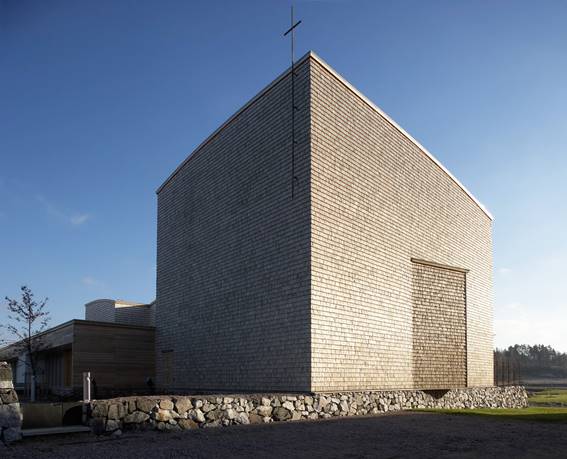
Fig. 01. JKMM Architects, Viikki Church, Helsinki (Finland), 2000-05.
Situated within
the Eco-Viikki urban development area, the church has exercised a broader
architectural philosophy in serenity, modesty, and ecological harmony through
timber construction, soft lighting, and a forest-inspired interior (Lehtovuori
2010). Beyond a worship place, it is a community centre, a social space, and a
symbolic milieu for belonging and well-being, as well as the connection between
people and nature.
This paper
focuses on multifaceted and culturally diverse notions of ‘Spaces of
happiness’. Recent studies in environmental psychology, architecture, and urban
studies indicate that specific spatial attributes (materials, daylight,
acoustics, simplicity, and nature) can enhance wellness. Viikki Church asserts
that careful decisions in balancing material, symbolic, and experiential
aspects create happiness, as it integrates nature, sustainability, and
aesthetics. By doing so, the church can transcend its physical structure into
cultural bliss. Architecture shapes emotional experiences, promotes societal
ideals, and contributes to national identity.
Lefebvre’s
spatial triad (1991) and semiotics are a methodology. Lefebvre provides the
basis for augmenting church as a tangible environment, a philosophical
endeavour, and an emotional location. Semiotics assists with how materials,
shapes, and sensory attributes signify cultural meanings. In Finnish culture,
wood, light, silence, and minimalism are symbols; happiness correlates with
simplicity, ecological stewardship, and emotional restraint.
Happiness, Nature, & Finnish Modernity
Finland’s
reputation for happiness is often treated as a cultural curiosity, yet it is
deeply rooted in the nation’s historical, social, and spatial development,
which includes a social welfare system, community, and connection to nature.
The notion of well-being is traced in stability, trust, and security, and
happiness is marked by low arousal with calmness, humility, and the lack of
stress (Saari 2019). This tendency is due to the nation’s relationship to
nature as a material resource and a cultural emblem. Forests, lakes, and open
terrain are integral to Finnish identity, and the built environment has
mediated human life with nature.
Finnish
architects have prioritised natural materials, understated forms, and sensory
comfort, from Alvar Aalto’s humanistic modernism to contemporary ecological
architecture (Connah 2015). The outcome is a spatial culture that cultivates
well-being through environmental harmony, functional clarity, and emotional
moderation. These attributes are interconnected with social frameworks,
including the welfare state, high institutional trust, and a cultural attitude
of equality and humility (Rothstein and Uslaner 2005).
Eco-Viikki
was established (late 1990s-early 2000s) as Finland’s inaugural ecological housing
development to diminish energy usage, enhance biodiversity, and encourage
community participation (Helsinki City Planning Department 2001). The planning
documents present green living for a tranquil and balanced life. Viikki Church
became a religious edifice and a symbolic cornerstone of the district’s
ambitions. Its timber structure, minimalism, and landscape are meant for
Finnish themes about happiness; thus, the church’s design fosters wellness
through calmness, constancy, and comfort. The church became the spatial
manifestation of Finnish happiness by absorbing its core ideals (Fig. 02-03).
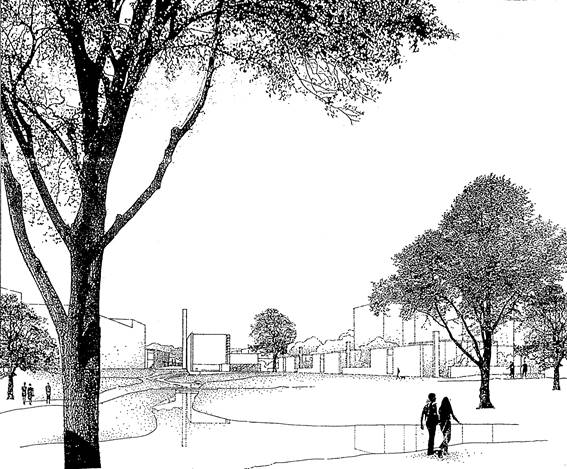
Fig. 02. JKMM Architects, Viikki Church, Helsinki (Finland), 2000-05; a
connection between the church and nature.
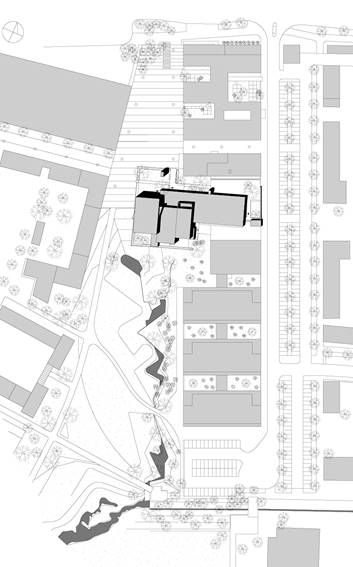
Fig. 03. JKMM Architects, Viikki Church, Helsinki (Finland), 2000-05;
Viikki Church and its area.
Philosophical Concepts
Finnish
happiness and its architectural expressions are conceptualised within a
philosophical framework. Happiness has been theorised for over two millennia,
and its distinctions shape social perceptions of well-being, the creation of
environments, and individual emotional experiences.
The Greek
term, eudaimonia, defines happiness as flourishing via virtuous action
(Aristotle 1999). It is a continual practice attained by moderation, reason,
and congruence with one’s objective. The focus on balance and moderation
resonates with Finnish cultural values, in which emotional restraint and
stability prefer well-being over transient pleasure.
Epicurus
(1994) considers happiness to be the presence of pleasure. Although modern
consumer societies embrace hedonism, Finland’s cultural orientation deviates
from this model: happiness minimises anxiety, uncertainty, and social discord.
John Stuart
Mill (1863) reconceptualised happiness as a measurable societal good—maximum
happiness for a maximum number. This pragmatic logic underlies welfare
policies in the Nordic nations. Finland’s social systems of healthcare,
education, and public institutions contribute to community wellness.
20th-century
philosophers redirected their focus towards lived experience, embodiment, and
being in the world (Heidegger 1962, Merleau‑Ponty 1962). Happiness is not a
measurable state but a mode of adjustment to one’s surroundings. This
phenomenology correlates with architectural experience in materials, light,
acoustics, and spatial rhythms.
Contemporary
psychology distinguishes between high arousal happiness in excitement and low
arousal happiness in calmness (Tsai 2007). Finland receives high rankings for
the latter: happiness is characterised by tranquillity, natural surroundings,
and social trust in the built environment.
According
to cultural theories, happiness transcends emotion and becomes a cultural
directive: communities delineate the criteria for a ‘happy’ existence and
motivate individuals to strive for it (Ahmed 2010). In Finland, a ‘happy life’
constitutes modesty, nature, quietness, and social equality.
Theoretical Framework
Viikki
Church, as a ‘space of happiness’, needs conceptualisation for the interaction
of material structure, symbolism, ecological values, and lived experience. This
section outlines the theoretical lenses of Lefebvre’s production of space, the
semiotics of architecture, and contemporary scholarship to offer a multifaceted
perspective on the church’s emotional resonance and ecological meaning.
Lefebvre’s Production of Space (1991)
Lefebvre’s
inspiring text deals with the spatial theory of conceptualising space. His
spatial triad— Spatial practice/Perceived space, Representations of
space/Conceived space, and Representational spaces/Lived space—is
interconnected in a way that produces the space.
Spatial
practice/Perceived space denotes
the routines, movements, and quotidian uses that confer functional coherence to
space. The perceived space in Viikki Church starts at Eco-Viikki’s green
corridors, where pedestrian pathways traverse wetlands and forests. The
tranquil shift from landscape to the church establishes a sequence of spatial
thresholds between nature and built form. Within the church, spatial practice
is made by the seating configuration, the orientation toward the altar, and the
movement directing visitors through the nave, chapel, and communal areas. As
the edifice facilitates religious events, concerts, meetings, and
contemplation, daily use creates a spatial cadence that follows Finnish ideals
of emotional control and social cohesion. The consistent, gentle spatial
experience—diffused light, warm wooden surfaces and modulated
acoustics—enhances psychological balance that reflects Finnish happiness (Fig.
04-05).
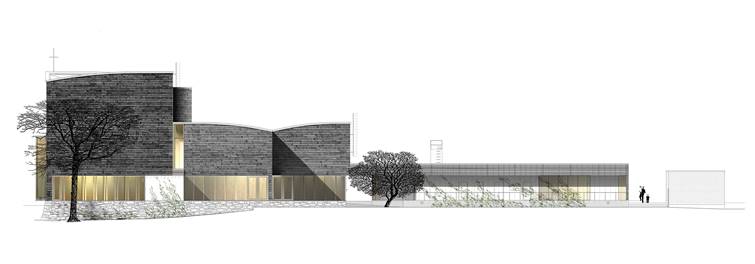
Fig. 04. JKMM Architects, Viikki Church, Helsinki (Finland), 2000-05;
south façade.
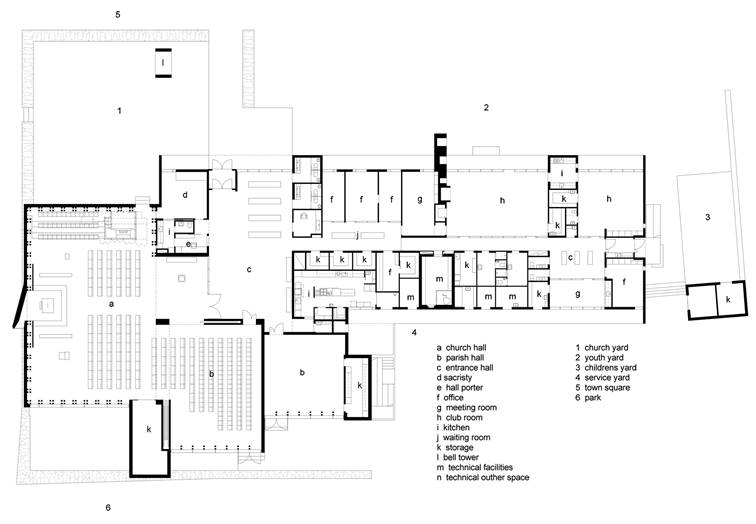
Fig. 05. JKMM Architects, Viikki Church, Helsinki (Finland), 2000-05;
floor plan.
Representations
of space/Conceived space denotes conceptual, institutional frameworks by
architects, planners, and authorities to structure the space. The conceived
space of Viikki Church, designed by JKMM Architects, reflects the philosophy of
Nordic minimalism, ecological sustainability, and a focus on the human environment.
They consider the church a ‘forest of pillars’, a metaphor for the building’s
attachment to the woodland as a conceptual fusion of spirituality and nature.
Eco-Viikki’s planning documents explain the church’s position within a larger
ecological and social experiment. Sustainability, community, and well-being
prompt the church’s role to be symbolic yet functional. The Lutheran Church’s
motto—simplicity, humility, and quotidian spirituality—led to this outcome.
Happiness is derived from modesty and virtuous living.
Representational
spaces/Lived space denotes the emotional and symbolic aspects of a place as
experienced by its visitors. The lived space in Viikki Church is generated through
sensory attributes—aromatic wood, soft daylight, warm surfaces, and the
acoustics that improve silence. Visitors feel the church is peaceful, private,
and reminiscent of a forest as the building evokes Finnish nature, and these
sensations lead to Finnish happiness. The church is a locus where cultural
myths of well-being are experienced, transmitting architectural structure into
emotional resonance.
Lefebvre’s
triad recognises that religious spaces function concurrently on practical,
symbolic, and experiential dimensions. Spatial experiences are socially
produced through material, meanings, and embodied practices (Harries 2013). It
also meets current dialogues about sustainability. Space is created by human
activities and through ecological interactions, and architecture is perceived
within a wider socio-environmental framework (Mostafavi and Doherty 2010).
Viikki Church demonstrates how conceived space integrates environmental ethics
into architectural design. Materiality, architectural intents, and lived
experiences produce emotion with ecological meaning.
Semiotics in Architecture
Semiotics
is the study of signs in architecture (Eco 1986, Preziosi 1979, Jencks 1995).
Buildings are perceived as sign systems that express cultural, symbolic, and
ideological meanings. Peirce (1998) categorises a sign as an icon, index, and
symbol, and how architectural elements elicit emotional responses, reference
natural processes, or communicate cultural meanings. Icons are signs that
resemble the ones they represent. Iconicity often manifests itself in shapes or
materials that recall natural or cultural references visually or tactilely.
Wood in Viikki Church establishes an iconic link to Finnish forests,
strengthening natural rootedness and ecological identity. Its vertical slats
are an abstract forest and a symbolic tie between the built form and nature.
Indexes are
signs that point to or indicate something through causal or physical
relationships. In the church, daylight is an indexical sign of the passage of
time, weather conditions, and the sun’s trajectory. Light filtering through
surfaces and reflecting on materials indicates nature’s cycles and underscores
the building’s ecological orientation. The aromatic wood and the acoustic
softness suggest the material’s organic origins, establishing a sensory
connection to nature.
Symbols are
signs whose meanings are acquired through cultural learning. Sacred
architecture often adopts religious motifs, spatial hierarchies, and ritual
features. Viikki Church’s symbolism is minimalism; its spatial organisation—an
axial progression, verticality, and a baptismal font—keeps Christian
traditions. These symbols serve as aesthetic signs in a multifaceted
environment.
Sustainable
design conveys ecological values through materials, structure, and integration
with nature (Guy and Farmer 2001). Viikki Church’s certified timber, energy
efficiency, and external landscape fulfil its symbolism and functionality.
Architects posit the church as environmentally responsible sacred architecture.
The sensory attributes of texture, lighting, and acoustics elicit calmness,
warmth, and belonging through culture and memories (Pallasmaa 2005).
Nature, Sustainability & Aesthetics
The final
theory addresses nature, sustainability, and aesthetics in architectural
experience, because the contemporary architectural discourse is pertinent to
Viikki Church.
Biophilic
design proposes that humans have an intrinsic affinity to nature and that
interaction can improve well-being (Kellert and Wilson 1993). Architectural
strategies, such as natural materials, vegetation, and daylight, promote
psychological well-being and emotional rejuvenation (Kellert 2008). Moreover,
architecture establishes a sense of place by interacting with nature and
cultural meanings (Norberg-Schulz 1980). The material palette and spatial forms
of Viikki Church reflect Finnish timber construction and landscape aesthetics,
strengthening cultural identity and collectivity.
Sustainability
in architecture includes techniques and ethics. The design should fuse
ecological responsibilities with social, aesthetic factors (Mostafavi and
Doherty 2010). Viikki Church was built from renewable materials and its
strategies for using certified lumber, energy-efficient systems, and resilient
materials. Sustainability enables both functional and symbolic architecture.
Aesthetics
extends beyond visual form to embrace a multisensory experience. Hapticity,
acoustics, and materiality foster a mood towards mental health (Pallasmaa
2005). The power of architecture resides in evoking atmospheres that
reverberate with memory, emotion, and imagination (Zumthor 2006). Viikki
Church’s aesthetics are minimalism, warm wood surfaces soft acoustics, and
adjusted lighting to create tranquillity and contemplation.
In summary,
Lefebvre’s spatial theory, semiotics, and scholarship on nature,
sustainability, and aesthetics offer a robust framework for the analysis of
Viikki Church. The church is not only a physical entity but also socially
produced, symbolically rich, and emotionally resonant. This theoretical
foundation underpins its ‘Spaces of happiness’.
Methodology
This paper
invites a qualitative approach with an objective to comprehend Viikki Church
through its material, symbolic, and experiential attributes. This methodology
highlights the interpretative nature of spatial significance: architectural
observation and material study, semiotic interpretation of spatial signs, and
application of Lefebvre’s spatial triad.
Architectural Observation & Material Study
An
examination of the church’s materiality, spatial arrangement, and sensory
qualities is a method in phenomenological traditions within architectural
theory, stressing embodied experience and sensory perception. Viikki Church is
a constellated signifier in material, forms, light, and acoustics to convey
Finnish identity and happiness.
Wood’s
semiotic implications are substantial. At the denotative level, it is building
material (Fig. 06). At the connotative level, it denotes purity, nature,
sustainability, and Finnish identity. The aspen shingles and spruce interior
are indexical signs of the adjacent forest, connecting the building to the
landscape. In Finnish culture, wood carries connotations of honesty, humility,
and closeness to nature. The white interior shapes the church aesthetically and
symbolically. White is a cultural signifier of purity, simplicity, and
transcendence. Methodologically, this entails considering white both a colour
and an atmospheric strategy for calmness and spatial clarity. Light is a
physical phenomenon and a semiotic component, which underlines its symbolic,
experiential importance in sacred architecture (Eliade 1959, Holl 2011). The
Nordic light is culturally loaded by prolonged summer days and extended winter
nights. Viikki Church uses regulated, soft illumination to foster emotional
balance and sensory comfort. Light signifies clarity, hope, and tranquillity,
directing movement and conveying a cultural ideal of happiness.
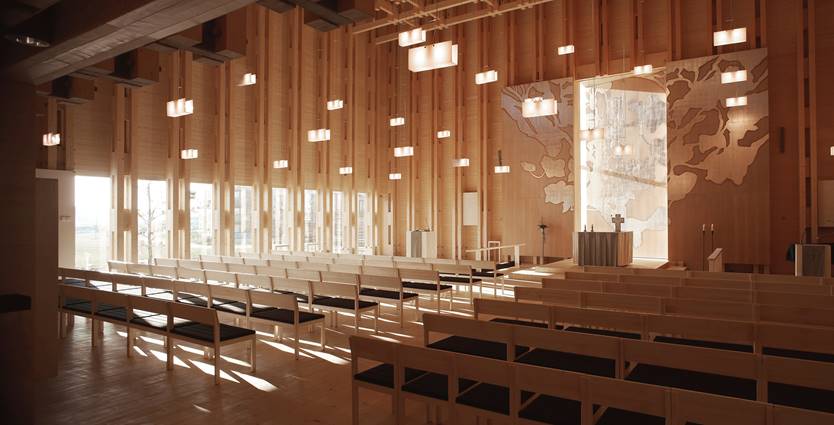
Fig. 06. JKMM Architects, Viikki Church, Helsinki (Finland), 2000-05;
interior of wood, white, light, and the Tree of Life motif.
Silence in
Finland embodies not emptiness but comfort. The church’s acoustics encourage
quietness, where sound is absorbed. Silence signifies trust, security, and
emotional control. Acoustics produces happiness by supporting cultural norms of
modesty and introspection. The church’s austerity has aesthetic and ethical
tones. In Finnish culture, minimalism represents honesty, transparency, and
clarity. The lack of decoration creates humility, adhering to Lutheran
principles and wider cultural discourses on the merits of simplicity.
Minimalism is a semiotic expression of happiness through liberation from superfluity.
Finally, the Tree of Life motif in liturgical furnishings exemplifies how
symbolism improves lived experience. It is a focal point to understand Viikki
Church’s fusion of spirituality and ecological awareness.
Semiotic Interpretation of Spatial Signs
A Peircean
category of an icon, index, and symbol assesses materials, forms, and spatial
configurations in Viikki Church. (Icon) Architectural aspects resembling
natural form, such as vertical wooden slats that recall a forest, are iconic
signs. The role of these iconic references enhances biophilic experience and
cultural identity. (Index) Indexical signs include phenomena indicative of
natural processes, such as daylight across wooden surfaces. The indexical
attributes improve ecological consciousness and provide a sense of temporal
grounding. (Symbol) Symbolic signs, such as the Tree of Life, the axiality
toward the altar, and the use of white, are culturally taught meanings.
Semiotics interprets these symbols within contemporary Finnish culture and Christian
tradition.
Application of Lefebvre’s Spatial Triad
Lefebvre’s
spatial triad analyses the architectural and experiential aspects of Viikki
Church. (Perceived Space) It is
examined via sensory and material observation: the tactile warmth of wood, the
softness of acoustics, the luminosity and directionality of daylight, and the
visual clarity on white surfaces. These variables shape comfort, calmness, and
well-being. (Conceived Space) It is examined via architectural intentions,
sustainability strategies, and design ideologies: the architects’ objectives,
the church within the Viikki district, the Nordic minimalism, and the symbolic
program. It demonstrates the church’s cultural and environmental values. (Lived
Space) It is examined via the emotional and symbolic experiences: serenity and
stability, adjacent nature, spirituality of symbolic components, and ambiance
generated by materiality, lighting, and spatial proportion. Lived space is
where the notion of ‘Spaces of happiness’ is most pertinent, as it encapsulates
the emotional and psychological impact of the architectural environment.
Viikki & the Church
Viikki
Church should be explained within the Viikki district’s ecology, landscape, and
cultural values to choose its materials, spatiality, and symbolism. The church
is an initiative project in Helsinki. Conceived in the late 1990s and early
2000s, the church’s district was designed for sustainable urban life, having
residential spaces, research institutions, agricultural zones, and conserved
natural environments. Viikki is often referenced as an example of harmonising
biodiversity and environmental stewardship (Beatley 2011, Jalkanen 2004). The
district owns extensive green corridors from residential zones to wetlands and
agricultural fields, energy-efficient housing and district heating systems,
infrastructure conducive to pedestrians and cyclists, university research
facilities in environmental sciences, and conserved natural habitats. Accordingly,
Viikki Church bears environmental responsibility, material sustainability, and
landscape awareness as a district edifice and a cornerstone of its ecological
identity. Visitors experience a shift in the spatial progression of the church
as a threshold between daily life and reflective space. This interaction
enables ‘Spaces of happiness’ in ecological consciousness.
In this
context, JKMM Architects, founded
in 1998, is known for natural materials, minimalism, regulated lighting,
landscape integration, and human-centred design. JKMM endeavours to make the
church a «warm, humane, and natural» sacred space that adheres to Finnish
cultural tradition and contemporary ecological values (JKMM 2005). Despite the
church’s compactness as a rectangular structure enveloped in vertical wooden
planks, its material choices and details impart sophistication. The untreated
wood exterior enables the building to weather naturally, because the ageing
process is a deliberate plan that reinforces the building’s ecological identity
and its connection to natural cycles. The interior features warm wooden
surfaces, diffused daylight, a subdued colour palette, minimalist furnishings,
and soft acoustics for an ambiance. The church’s aesthetics follow Nordic
simplicity, workmanship, and nature (Weston 2002).
The
church’s strategies consist of certified timber as the structural and interior
material, energy-saving building features to elevate insulation, natural
ventilation and passive lighting techniques, durable materials to reduce
long-term environmental impact, and district heating systems. These strategies
embody the ethos of the Viikki district. Nordic ecological design stresses
sustainability as a cultural-aesthetic value (Høyer and Holden 2003). Moreover,
to strengthen the church’s spirituality and emotion, the Tree of Life motif
denotes Christian theology in resurrection, renewal, and divine presence;
ecological awareness, suggesting growth, interconnectedness, and natural
cycles; and cultural identity, alluding to Finnish forest landscapes and
woodcraft traditions. The motif mediates spirituality and nature, reinforcing
the church as an intersecting space.
Finally,
the church represents modern Finnish architecture and serves as a sustainable
sacred building. It is a site of worship and a communal gathering venue. Its
landmark is multifarious: contemporary Nordic design, sustainable building
practices, Finnish traditions in timber architecture, and tranquillity and
wellness. This amalgamation leads the church to foster ‘Spaces of happiness’.
Viikki Church Produces Happiness
Viikki
Church can be perceived as a locus where various interpretations of happiness
intersect. The architecture reflects Finnish values and creates a specific form
of well-being. Using Lefebvre’s spatial triad and a semiotic analysis of its
material and sensory attributes, the church expresses a spatial technology that
develops, stabilises, and conveys a Finnish paradigm of happiness, marked by
modesty, ecological awareness, low arousal, and social trust.
(Perceived
space) From a Lefebvrian context,
happiness is a spatial condition. Spatial practice—the routines, movements, and
sensory rhythms in daily life—shapes emotional experience. The spatial practice
in Viikki Church is defined by transitions, acoustics, and light and shadow.
These spatial rhythms follow the Finnish trend to low arousal well-being, in
which happiness is related to quietness and stability without stress. The
church’s positioning within Eco-Viikki enhances this impact. The route trail
continues from nature to the church, a spatial narrative where happiness arises
from ecological balance. The church is a liminal space where environmental
calmness is converted into an emotional one.
(Conceived
space) The representations of space by architects, planners, and institutions
generate happiness due to their ecological responsibility, human-centred
settings, and minimalism. For Lutheran simplicity and humility, happiness
depends on ethical clarity rather than sensory excess (Weber 1930). This Protestant
perspective differs from Catholic or Orthodox traditions, in which happiness is
often facilitated by ritual complexity, embellishment, and sensory
transcendence (Balthasar 1982). The planning documents of Eco-Viikki focus on
sustainability and well-being and conceptualises happiness as a collective,
utilitarian good (Mill 1863). The church, as a public building, is a symbolic
cornerstone of this social-democratic vision of well-being.
(Lived
space) Representational spaces—the emotional and symbolic space—are where
happiness is mostly felt. In Viikki Church, sensory attributes invoke Finnish
well-being through the aromatic wood, soft daylight, warm surfaces, and the
acoustics. These features are semiotic signs that communicate calmness, safety,
and harmony with nature. This experience also aligns with current psychological
research on high arousal and low arousal happiness (Tsai 2007). Finland
achieves high rankings in the latter. Accordingly, the church does neither
stimulate nor overwhelm; it soothes and provides escape.
(Myth) The church’s materials and symbolic
codes develop a cultural myth of happiness: wood-purity/nature/Finnish
identity; light-clarity/hope; silence-trust/emotional control; and
minimalism-honesty/ethical simplicity. These signifiers create the myth that a
cultural narrative normalises specific values and emotional norms (Barthes
1972). It is Finnish, influenced by Lutheran modesty, Nordic ecological ethics,
and a preference for well-being. Happiness is conceptually defined as tranquillity,
stability, and harmony with nature.
(Technology) Collectively, the spatial,
conceptual, and semiotic dimensions illustrate the church as a cultural
technology of happiness. It generates emotional states, maintains social standards,
and conveys ethics. Architecture can influence life through quietness, tactile
warmth, and spatial lucidity; thus, the church transcends from a religious
edifice to a spatial manifestation of Finnish happiness. It is a locale where
philosophical traditions, cultural norms, and architectural practices intersect
for an emotional landscape, validating Finland in global perceptions of
well-being. A sense of community among its inhabitants is fostered.
Analysis
This
section revisits the theoretical framework. Each element in Viikki Church
produces meaning, ambiance, and emotion, cultivating the church as ‘Spaces of
happiness’ through the interaction of materiality, ecological values, symbolic
language, and sensory experience.
Perceived Space: Practices/Materiality/Sensory
Experience
Perceived
space denotes the physical, sensory, and functional aspects of the built
environment. In Viikki Church, materials, illumination, acoustics, colour and
spatial arrangement provide ambiance and directly affect emotional well-being.
Wood is a
core contributor (Fig. 07). The walls, ceiling, floors, pews, and liturgical
furnishings are crafted from Finnish timber. As an aesthetic material, wood
enhances sensory experiences of the space variously. Architecture involves the
body via hapticity, which includes the sense of touch and embodied perception
(Pallasmaa 2005). The warm texture, fine grain, and natural aroma make up a
multisensory atmosphere. Visitors feel ‘warm’, ‘soft’, or ‘embracing’ due to
wood’s tactile qualities. With acoustic softness, wood controls sound to offer
tranquillity and reinforces the church’s contemplative ambiance. The acoustic
qualities correspond with sound in shaping architectural atmospheres (Zumthor
2006). Wood’s aroma, visible grain, and ageing process evoke memories of
woodlands, growth, and natural cycles. Wood is an indexical sign of ecological
processes, linking the church with nature. Wood bears cultural meaning, as
timber construction has historical origins in Finland. Viikki Church conjures
up traditional Finnish churches and rural landscapes of continuity. All
attributes provide wood as a core of the church’s perceived space, influencing
sensory experience and emotional reaction.
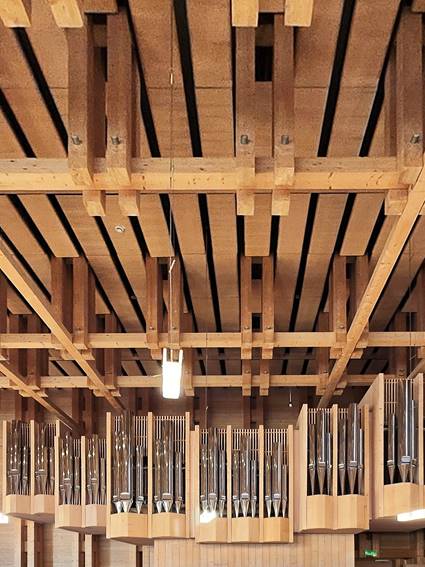
Fig. 07. JKMM Architects, Viikki Church, Helsinki (Finland), 2000-05;
wooden panels on the wall and ceiling.
In
Christian symbolism, white represents purity, clarity, and transcendence
(Eliade 1959). In Viikki Church, it amplifies the perception of daylight,
creating a luminous and uplifting mood. The whitewashed altar wall, coated in a
matte mineral paint, disperses daylight into a soft, even glow that eradicates
harsh shadows. In semiotics, white is a symbol of Nordic winter lights and
snow-laden terrains, as well as theological purity and renewal. White surfaces
reflect light and improve the brightness of the space. Its clarity creates
tranquillity and spaciousness, linked to well-being in environmental psychology
(Kellert 2008). White represents minimalism in simplicity, order, and visual
quietness (Weston 2002). This facilitates emotional grounding by minimising
visual cluster and enabling mental repose. White carries connotations of
purity, rejuvenation, and enlightenment. The white backdrop at the altar area
amplifies the liturgical elements.
Light plays
a role in Viikki Church (Fig. 08). The architects regulated it via clerestory
windows, slender vertical apertures, and reflective surfaces. Daylight
indicates the passage of time, weather conditions, and seasonal changes,
connecting architecture to nature’s cycles (Holl 2011). The interplay of light
on wooden surfaces makes a dynamic ambiance. Light produces a soft, diffused
luminescence and fosters calmness and warmth. Light symbolises enlightenment,
purity, and renewal. Light is associated with divine presence in sacred
architecture. The soft lighting evokes transcendence. The church’s spatial
arrangement reinforces contemplation from the entrance to the altar. The
entrance transits from the mundane to the sacred space. This experience
corresponds with «existential space», wherein architecture mediates between the
individual and the world (Norberg-Schulz 1980). The interior is modest in size,
and this human-centric design generates comfort and belonging. In summary, the
perceived space in Viikki Church is defined by warmth, softness, and clarity,
which enhance emotional well-being and ground the church as ‘Spaces of
happiness’.
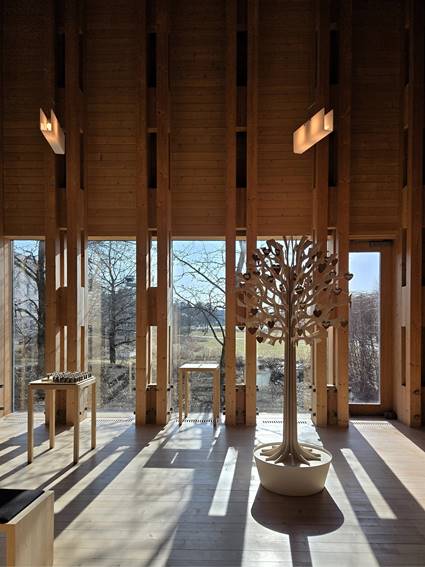
Fig. 08. JKMM Architects, Viikki Church, Helsinki (Finland), 2000-05;
the windows connect the interior and exterior and absorb daylight to create
brightness and openness in the church.
Conceived Space: Architectural
Intentions/Sustainability/Symbolic Design
Conceived
space pertains to the conceptual and ideological aspects of architecture,
encompassing designers’ objectives, the cultural meanings of form, and the
environmental strategies to define the building’s identity.
Viikki
Church was conceived based on the ecological ethos of the Viikki district (Fig.
09). Certified lumber commits to renewable resources and low embodied energy, following
modern ecological design ideas (McDonough and Braungart 2002). In addition to
the building’s insulation, daylight reduces artificial lighting, solving the
architects’ aims. The church’s design and materials harmonise with the
landscape, an ecological perspective in which architecture engages with nature.
JKMM chooses Nordic minimalism and connection to nature. The aesthetic
prioritises materiality and light. This constraint is a cultural inclination
towards tranquillity and contemplation in Finnish design. The detailing of wood
surfaces underlines craftsmanship for the building’s tactile and emotional
attributes. The Tree of Life represents resurrection, renewal, and the divine
presence in the Christian tradition. It reflects growth, connectivity, and
natural cycles. Trees have cultural significance in Finnish forests, and their
complexity connects spirituality, ecology, and cultural identity. In summary,
the conceived space in Viikki Church includes ecological ethics, minimalist
aesthetics, and symbolism to define the building’s identity and enhance its
emotional resonance.
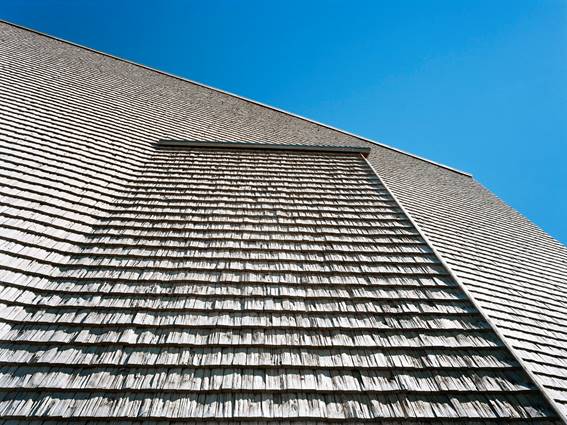
Fig. 09. JKMM Architects, Viikki Church, Helsinki (Finland), 2000-05;
certified lumber for the church’s exterior.
Lived Space: Atmosphere/Emotion/’Spaces of Happiness’
Lived space
denotes the emotional, symbolic, and experiential aspects of architecture—how
space is felt, interpreted, and recalled. The atmosphere is core to experiential
space, as it constitutes the immediate emotional effect of architecture
(Zumthor 2006). The fusion of wood, subdued acoustics and soft illumination
engenders warmth and comfort. Simplicity and whiteness create mental clarity.
The sensory qualities of wood and the variation of daylight connect to nature.
These attributes are referred to as restorative environments by environmental
psychologists (Kellert 2008). Lived space encompasses the symbolic meanings
from experience. Visitors define the Tree of Life motif as grounding,
uplifting, or resonant. It fortifies notions of rejuvenation and
interdependence. The subtle lighting of the altar area evokes transcendence.
‘Spaces of
happiness’ pertains to places that generate well-being. Viikki Church executes
this concept through sensory comfort, nature, symbolism, clarity, and
ecological ethics. These attributes correspond with current studies on
well-being in architecture (Holl 2011). In summary, the lived space in Viikki
Church is defined by emotional warmth, symbolic depth, and ecological presence.
These attributes engender a sense of happiness and wellness.
Concrete Architectural Examples:
Material/Light/Colour/Symbol
Wood,
white, light, and the Tree of Life motif illustrate the simultaneous operation
of material and symbolic strategies.
(Wood) The
nave walls are adorned with vertical wooden battens in a rhythmic pattern akin
to tree trunks. The roof structure is upheld by exposed laminated timber beams
to highlight structural integrity. The pews, altar table, and lectern are
crafted from solid Finnish timber. The external cladding remains untreated,
letting it weather over time (Table 1).
|
Semiotic interpretation |
|
|
Iconic |
The
vertical battens evoke a stylised forest, forming an abstract woodland
interior. |
|
Indexical |
The aroma
of unprocessed wood and the visible grain directly indicate the material’s
natural provenance. |
|
Symbolic |
Wood
signifies Finnish cultural identity, alluding to traditional wooden churches
and forested landscapes. |
|
Lefebvrian space |
|
|
Perceived space |
Warmth,
softness, and acoustic absorption of wood foster a tranquil sensory
atmosphere. |
|
Conceived space |
The
architects selected wood to convey ecological stewardship and Nordic
craftsmanship. |
|
Lived space |
Visitors
characterise the interior as ‘embracing’ or ‘peaceful’, highlighting the
emotional influence of wood. |
Table 1. Material and symbolic strategies: Wood.
Connecting
to happiness, biophilic research indicates that natural materials alleviate
stress and improve wellness. Viikki Church’s wood mediates emotional grounding
and ecological significance. The warmth, smoothness, and sound absorption of
wood calms sensory experience.
(White) The altar wall is coated in a matte
white mineral paint, which diffuses light. The ceiling panels are subtly
bleached, enhancing the timber’s hue while preserving its grain visibility.
White is used judiciously, establishing contrast with the warm wood (Table 2).
|
Semiotic interpretation |
|
|
Iconic |
White
signifies Nordic winter light and snow-laden terrains. |
|
Indexical |
White
surfaces reflect the variety of daylight, indexing time and season. |
|
Symbolic |
In
Christian tradition, white represents purity, renewal, and illumination. |
|
Lefebvrian space |
|
|
Perceived space |
White
enhances natural light, fostering clarity and expansiveness. |
|
Conceived space |
The
minimalist application of white embodies Nordic design values of simplicity
and restraint. |
|
Lived space |
The
luminosity and visual tranquillity facilitate introspection and emotional
lucidity. |
Table 2. Material and symbolic strategies: White.
Connecting
to happiness, environmental psychology associates well-lit, organised
environments with less anxiety and an enhanced mood. The white interior of
Viikki Church fosters a mental clearing conducive to introspection and
tranquillity.
(Light) A clerestory band extends along the rooftop, concealed under timber slats, producing the effect of a suspended ceiling. Narrow vertical apertures punctuate the lateral walls, generating rhythmic beams of light. The east-west position enables morning and evening light to illuminate the nave. Seasonal fluctuations in daylight transform the indoor ambiance (Table 3).
|
Semiotic interpretation |
|
|
Iconic |
The
ceiling elicits transcendence by its luminous detachment from the walls. |
|
Indexical |
Light
signifies time, weather, and season, linking the interior to natural cycles. |
|
Symbolic |
Light is
historically associated with divine presence and spiritual enlightenment. |
|
Lefebvrian space |
|
|
Perceived space |
Light
fosters gentleness, warmth, and dynamic visual engagement. |
|
Conceived space |
The
architects employed light as a basic design element, substituting ornamentation
with illumination. |
|
Lived space |
Visitors
characterise the light as ‘gentle’, ‘uplifting’, or ‘spiritual’. |
Table 3. Material and symbolic strategies: Light.
Connecting to
happiness, natural light is associated with wellness, circadian regulation, and
emotional stability. In Viikki Church, light is a spatial catalyst for peace
and transcendence.
(The Tree
of Life) The motif is carved into
the wooden altar screen, using the same lumber as the nave walls (Fig. 10-11).
Its design is abstract and vertical, reflecting the rhythm of the adjacent
battens. It is situated at the liturgical focal point, grounding the spatial
narrative (Table 4).
|
Semiotic interpretation |
|
|
Iconic |
It
resembles a stylised tree, visually linking to the wooden interior. |
|
Indexical |
Its
wooden materiality connects it to the forests surrounding Helsinki. |
|
Symbolic |
It
alludes to biblical motifs of renewal, resurrection, and eternal life. |
|
Lefebvrian space |
|
|
Perceived space |
The
sculpture enhances texture and visual emphasis in the altar area. |
|
Conceived space |
The motif
articulates the architects’ objective to integrate ecological and spiritual
meaning. |
|
Lived space |
Visitors see
the Tree of Life as hopeful, grounding, or emotionally resonant. |
Table 4. Material and symbolic strategies: The Tree of Life.
Connecting
to happiness, symbolic growth, renewal, and interconnectedness enhance emotional
resilience and facilitate meaning-making. The Tree of Life is a psychological
anchor in space.
In summary,
the architectural components exemplify how Viikki Church fosters a
multisensory, symbolic, and sustainable atmosphere. Material and symbolic
strategies enable the church to be ‘Spaces of happiness’.
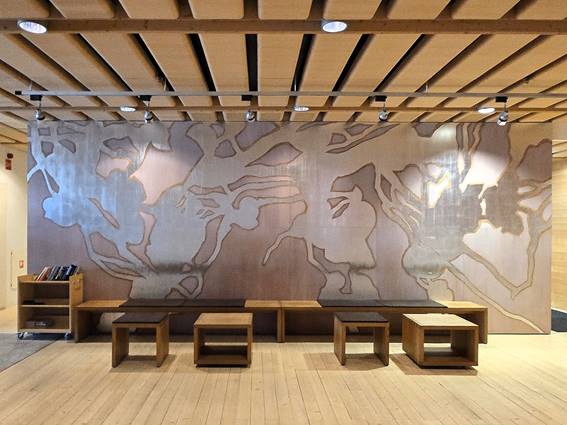
Fig. 10. JKMM Architects, Viikki Church, Helsinki (Finland), 2000-05;
the Tree of Life motif in the entrance hall.

Fig. 11. JKMM Architects, Viikki Church, Helsinki (Finland), 2000-05;
the Tree of Life motif at the altar.
Discussion
This
section consolidates these findings to validate Viikki Church as a modern
paradigm in religious architecture, wherein nature, sustainability, and
aesthetics are spatial experience. ‘Spaces of happiness’ integrates
environmental responsibility with sensory richness and symbolic depth.
The Convergence of Nature & Architecture
Viikki
Church incorporates nature into its architecture—material, sensory, symbolic,
and ecological. The use of wood establishes a direct link to nature. The
tactile warmth, acoustic softness, and organic aroma form a multisensory
environment for comfort and well-being. They follow biophilic design
principles, which underline the psychological advantages of natural materials
(Kellert 2008). The Tree of Life establishes nature and spirituality together.
Being a theological and ecological emblem, it connects religion with
environment. This dual symbolism signifies a wider cultural transition towards
perceiving spirituality in ecological contexts (Taylor 2010). The church’s
sustainability in renewable materials, energy efficiency, and landscape
exemplifies architecture’s engagement with ecology. It is modern urbanism in
the interrelation of built and nature (Mostafavi and Doherty 2010). Viikki
Church’s holistic approach to nature and architecture fosters both environmental
stewardship and emotional wellness.
Sustainability as Aesthetic & Ethical Framework
Sustainability
in the church transcends a technical aspect and constitutes an artistic,
ethical framework for its identity and experience. Wood, minimalism, and daylight
foster simplicity, clarity, and tranquillity. Sustainable architecture
cultivates a visual language for ecological ideals through material and spatial
expression (Guy and Farmer 2001). Sustainability is an ethic of the church’s
conceived space. Architects prioritised renewable resources and energy
efficiency, following modern theological perspectives for a spiritual
responsibility (Deane-Drummond 2008). Sustainable design contributes to the
lived experience through harmony and stability. Visitors feel tranquil or
rejuvenating, linking to nature (Kellert 2008). Sustainability contributes to
happiness through ecological responsibility and emotional resonance.
Aesthetics as Emotional & Cultural Expression
The
aesthetics of Viikki Church include multisensory experiences, cultural
identity, and emotional ambiance (Fig. 12-13). Warm timber, soft acoustics,
mild illumination, and a subdued colour palette support stability. The potency
of architecture is the capacity to engage all the senses (Pallasmaa 2005). Minimalism
embodies Finnish traditions of simplicity, workmanship, and a connection to
nature. Its culture creates belonging and identity, solidifying the church as a
communal landmark. Tranquillity and lucidity foster well-being. The emotional
architecture appears from the nuanced interaction of materials, light, sound,
and proportions (Zumthor 2006).
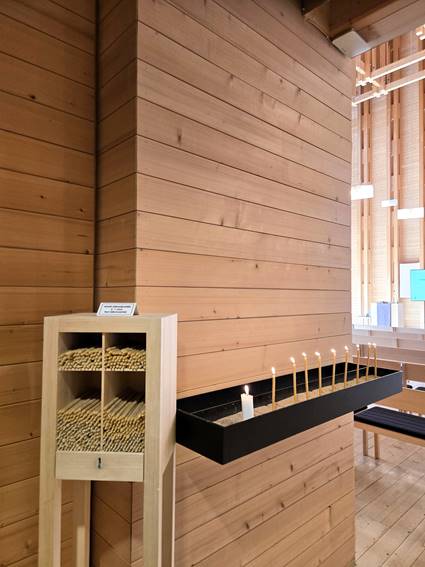
Fig. 12. JKMM Architects, Viikki Church, Helsinki (Finland), 2000-05;
aesthetic, warm atmosphere for church worship services.
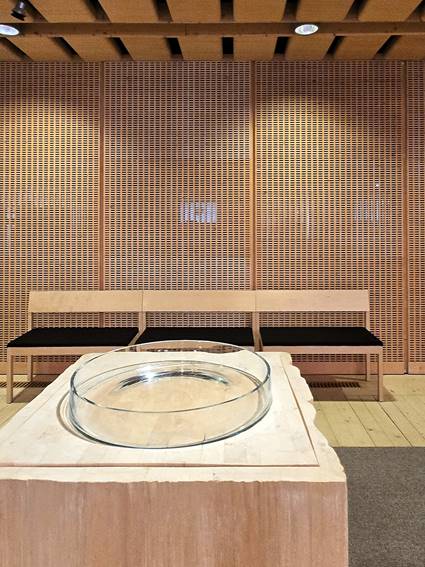
Fig. 13. JKMM Architects, Viikki Church, Helsinki (Finland), 2000-05;
water font before the sanctuary.
Happiness as Spatial Experience
‘Spaces of
happiness’ offers a framework for understanding the emotional and psychological
effects of Viikki Church. Happiness is not a transient pleasure, but a deep
form of well-being grounded and connected. The warmth of wood, the softness of
acoustics, and the clarity of light establish a sensory rest. The presence of
nature cultivates grounding and belonging, linking to psychological well-being.
The Tree of Life imparts meaning and orientation for emotional profundity.
Sustainable design cultivates congruence between individual values and
ecological answerability to feel fulfilment. Viikki Church’s happiness is
rooted in nature, sustainability, and aesthetic clarity.
Implications for Contemporary Architecture
Viikki Church
teaches modern architectural practice. The church illustrates how to
incorporate sustainability into architecture as a technical, aesthetic, and
emotional aspect. Sustainable design fosters a balance between environmental
responsibility and human values. The church enhances well-being through
sustainability, nature, and visual clarity. The focus on the atmosphere is
architecture’s role in wellness by crafting evocative and sensory milieu.
Symbolic features show modern design’s embedded meaning without historical
ornamentation. Architecture connects to nature via material selection, spatial
design, and ecological integration.
In summary,
the integration of nature, sustainability, and aesthetics at Viikki Church
exemplifies how design can provide ‘Spaces of happiness’. The church promotes
emotional well-being, ecological awareness, and cultural identity through its
materiality, symbolic language, and atmospheric aspects. The church addresses
contemporary challenges by fostering environments conducive to human and
ecological prosperity.
An Integrated
Framework: Embodiment, Atmosphere, and Religious Experience
Lefebvre’s
spatial theory, semiotics, and scholarship on nature, sustainability, and
aesthetics through building materials and their attributes demonstrate Viikki
Church as ‘Spaces of happiness’. Further thoughts arise. The topics of
embodiment, atmosphere and religious experience are not the paper’s main
discussion, but they are worth mentioning, based on Pallasmaa (2005):
architecture involves the body via hapticity, which includes a sense of touch
and embodied perception.
The concept
of embodiment has become a key idea in modern architectural theory, questioning
how people perceive, inhabit, and understand built spaces. Embodiment emphasises
the lived, sensory, and affective aspects of spatial experience rather than
viewing architecture as a static object or visual artefact. This represents a
partial shift in philosophy, cognitive science, anthropology, and neuroscience,
as these disciplines focus on the body as the primary site where people think
and engage in culture.
As human
experience is inherently embodied, architecture, cognitive science, and
religious studies contend that perception, emotion, and meaning arise from the
dynamic interaction of body, place, and affect. Three theories from different
fields can enhance our understanding of how environments affect both daily and
transcendent experiences: Mallgrave’s architectural embodiment, McNamara’s
neuroscience of religious experience, and Radermacher’s religious atmospheres.
Embodied Experience and the Built Environment
Phenomenology
is the basis of modern embodiment theory. Merleau-Ponty (1962) frames the
perception of the human body as an active interaction with space. Mallgrave
(2013) combines neuroscience, evolutionary psychology, and phenomenology to
show people’s inclination to respond to environmental stimuli through
sensorimotor and emotional pathways. For him, architectural experience is
rooted in biological and emotional processes. Architecture is not mainly visual
but multisensory, shaping mood, attentiveness, and social interaction through
multiple senses. In his mirror neurone research, Mallgrave argues that people
connect with architectural forms through embodied simulation – they feel as
much as they see spatial rhythms, materials, and atmospheres. His viewpoint
reinterprets architecture as an affective medium that shapes human experience.
Neuroscience and the Transformative Self
McNamara
(2009) extends embodiment theory to religion, positing that religious
experiences emerge from the interplay of brain systems that regulate
self-identity, emotion, and agency. Its key aspect is the decentering of the
ordinary self, which results in the reorganisation of executive functions and
sensations of unity, presence, or divine encounter. These experiences involve
various brain systems, including the temporal lobes, limbic system, and
prefrontal cortex. Moreover, neurotransmitters affect people’s absorption in
rituals and their emotional levels. Religious experience is an evolutionary
adaptation that fosters cooperation, emotional regulation, and communal
cohesion. McNamara’s research enhances Mallgrave’s by demonstrating that
environments—architectural or ritualistic—can influence brain and emotional
states, facilitating selfhood’s transformation.
Atmosphere as Affective Mediation in Religious Space
Radermacher
(2024) brings embodiment and affect into the analysis of religious practice.
Atmospheres—the emotional characteristics of spaces—are crucial to how
religious societies convey transcendence and foster a sense of belonging.
Atmospheres are formed by the interaction of bodies, spaces, objects, sounds,
and rituals, influencing perception and emotion prior to conscious interpretation.
Through his empirical studies of modern Catholic and evangelical initiatives in
Germany, lighting, music, spatial design, and ritual choreography cultivate
environments that engage participants’ religious experiences. These atmospheres
facilitate communication, rendering them sensorial-transcendent. His
religious-scientific environment combines phenomenology, affect theory, and
sensory ethnography to conceptualise atmospheres as relational fields.
In summary,
Mallgrave, McNamara, and Radermacher reveal a shared theoretical framework:
physical interaction with emotionally charged environments influences human
experience. First, cognition is based on biological processes. Architectural
spaces and religious ceremonies influence neural and emotional conditions,
affecting individuals’ self-perception and worldview (Mallgrave and McNamara).
Second, this gap between built environments and religious experience is filled
by the atmosphere (Radermacher).
Connecting the Three Theories to Viikki Church
Finland’s
status as the world’s happiest country is psychological and architectural.
Following Mallgrave, the embodied qualities of Finnish churches—natural
materials, soft lighting, and human-scale proportions—support emotional ease
and bodily comfort. McNamara’s neuroscience suggests that calm, low‑arousal
environments promote emotional regulation, a neurological foundation for
happiness. Radermacher’s atmosphere further clarifies that Finnish churches
cultivate a culturally resonant emotional tone: quiet, nature‑integrated, and
sincere. Viikki Church (2005) validates these three theories.
Above all,
in my view, religious experience is objective and subjective for individuals
who exercise their faith in countries where religion is a free choice,
particularly in the Nordics. Accordingly, the three theories fail to provide
happiness directly and fully for ordinary Christians who visit churches only on
special occasions (religious holidays/baptisms/weddings/death
rituals/concerts). Viikki Church is both a religious site and a communal space
that attracts people through architectural experiences, rather than the
religious atmosphere found in Orthodox or Catholic churches. Finnish churches
are sustainable buildings between sacredness and profanity. This fluid
liminality leads the churches to foster ‘Spaces of happiness’, allowing
individuals to pursue their objectives in any direction.
Conclusion
Viikki
Church is contemporary architecture, fusing nature, sustainability, and
aesthetics for well-being and culture. This paper discusses the church’s
materiality, symbolic language, and atmospheric aspects through Lefebvre’s
spatial triad and semiotic analysis. The use of wood, the moderation of
daylight, a subdued array of white surfaces, and the Tree of Life motif create
spatiality that is ecological, spiritual, and emotional.
In
perceived space, the sensory attributes—warm wood, soothing acoustics, and mild
light—cultivate tranquillity and peace. These attributes correspond with
biophilic design principles and environmental psychology studies, which
underline the rejuvenating benefits of natural materials and daylight. In
conceived space, the architects priortise sustainability, Nordic minimalism,
and symbolic clarity. The building’s ecological strategies, material
selections, and aesthetic moderation reflect a unified design philosophy
grounded in environmental ethics and cultural identity. In lived space,
visitors feel the church as a locus of stability, contemplation, and emotional
lucidity. The Tree of Life, the dynamic interplay of light, and the sensory
richness of wood encourage a sense of purpose and well-being.
Tangible
architectural examples—wood, white, light, and the Tree of Life—illustrate how
particular elements function concurrently as material, symbolic, and experiential
constituents. Concrete architectural solutions embody the church’s emotional
and ecological resonance (Fig. 14).
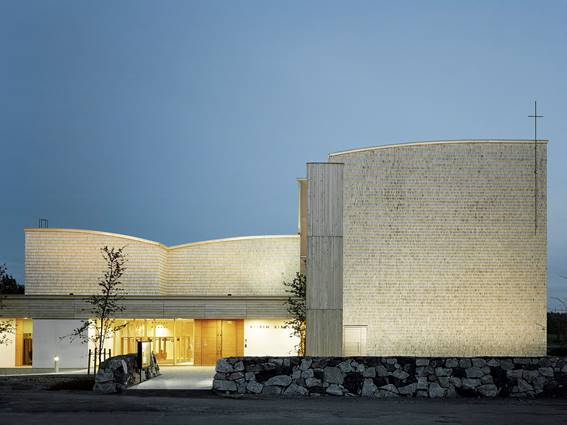
Fig. 14. JKMM Architects, Viikki Church, Helsinki (Finland), 2000-05;
Viikki Church as ‘the spaces of happiness’.
Viikki
Church represents a novel paradigm in sacred and public architecture, wherein
sustainability transcends a basic mechanical necessity to become a wellspring
of aesthetic and emotional depth. This fact convinces us that architecture
promotes well-being by integrating environmental stewardship with sensory
comfort, symbolic depth, and cultural continuity, ultimately fostering a
harmonious relationship between people and their environment. In a time of
environmental instability and societal division, Viikki Church testifies to how
architecture can create spaces that nurture human wellness and ecological
consciousness.
On sacred
spaces of Viikki Church, a final thought emerges. According to Le Corbusier
(1948), architecture inherently generates a sense of the sacred through its
materials, proportions, and design techniques. The architect’s creativity is
essential for consecrating a space and rendering it sacred. In this regard, Crosbie
(2017) claims that individuals seek a genuine, personal sense of spirituality
rather than conforming to an organised religion. Two perspectives may
illuminate sacred architecture: (i) architecture itself is sacred, or (ii)
architecture serves as a conduit that invokes the sacred. The differentiation
lies between situational and substantive sacred space. The sacred is thought to
inhabit substantive space; in situational space, any site might be deemed
sacred, contingent upon human presence, location, and behaviour, often on
behalf of a community.
Then, where
is liminality between religious space and happiness? Leto (2019) argues that
liminality refers to the intermediary phase during which the transforming
execution of the ritual occurs. Liminal experience, integral to religious
experience, entails a journey between transcendence and immanence. Terrin
(2014) contends that liminality pertains to a tangible transition and, hence,
involves space. During this transforming liminal phase of the ritual, metaphorical
language is employed. This is the sole means of articulating existence in a
liminal state; it enables us to convey what would otherwise remain unexpressed
and to amalgamate what could not coexist. «Liminality is semantically linked to
marginality, marginality is one step away from dualism and
dualism is enriched with a symbolic and metaphorical discourse, which in the
end turns out to be like the grounds of the very possibility of speaking of
another world» (Terrin 2014, 19).
This prompts
future studies of the embodiment, atmosphere, and religious experience, which
was briefly mentioned above. Bearing the discussion so far, happiness in
architecture does not seem a fortuitous, accidental by product but a
meticulously cultivated experience—one that arises from the thoughtful
amalgamation of nature, sustainability, and aesthetic clarity. It is what the
term ‘Spaces of happiness’ stands for?
References
Ahmed,
Sara. 2010. The Promise of Happiness. Durham: Duke University Press.
Aristotle.
1999. Nicomachean Ethics. Translated by Terence Irwin. Indianapolis:
Hackett.
Barthes,
Roland. 1972. Mythologies. Translated by Annette Lavers. New York: Hill
and Wang.
Balthasar,
Hans Urs von. 1982. The Glory of the Lord. San Francisco: Ignatius
Press.
Beatley,
Timothy. 2011. Biophilic Cities: Integrating Nature into Urban Design and
Planning. Washington: Island Press.
Connah,
Roger. 2015. Finland: Modern Architectures in History. London: Reaktion
Books.
Crosbie,
Michael J. 2017. «Defining the Sacred». Actas de Arquitectura
Religiosa Contemporánea 5:
352-367. https://doi.org/10.17979/aarc.2017.5.0.5163
Deane-Drummond,
Celia. 2008. Eco-Theology. London: Darton, Longman & Todd.
Eco,
Umberto. 1986. Semiotics and the Philosophy of Language. Bloomington:
Indiana University Press.
Eliade,
Mircea. 1959. The Sacred and the Profane: The Nature of Religion. New
York: Harcourt.
Epicurus.
1994. «Letter to Menoeceus». In The Epicurus Reader. Edited by Brad Inwood
and Lloyd P. Gerson, 28–29. Indianapolis: Hackett.
Guy, Simon
and Graham Farmer. 2001. «Reinterpreting Sustainable Architecture: The Place of
Technology». Journal of Architectural Education 54 (3): 140–148.
Harries,
Karsten. 2013. The Ethical Function of Architecture. Cambridge, MA: MIT
Press.
Heidegger,
Martin. 1962. Being and Time. Translated by John Macquarrie and Edward
Robinson. New York: Harper & Row.
Helsinki
City Planning Department. 2001. Eco‑Viikki Planning Report. Helsinki.
Holl,
Steven. 2011. Color Light Time. New York: Princeton Architectural Press.
Høyer, Karl
G. and Erling Holden. 2003. «Three Conceptions of Environmental
Sustainability». Ecological Economics 45 (2): 165–173.
Jalkanen,
Juha. 2004. «Ecological Urban Planning in Helsinki: The Viikki Model». Nordic
Journal of Architectural Research 17 (2): 23–38.
Jencks,
Charles. 1995. The Architecture of the Jumping Universe. Chichester:
Wiley.
JKMM
Architects. 2005. «Viikki Church. How to build a community», JKMM Architects.
Accessed 16/03/2026. https://jkmm.fi/work/viikki-church/
Kellert, Stephen R. 2008. Biophilic Design: The Theory, Science, and
Practice of Bringing Buildings to Life. Hoboken: Wiley.
Kellert, Stephen R., and Edward O. Wilson, eds. 1993. The Biophilia
Hypothesis. Washington: Island Press.
Le
Corbusier. 1948. New World of Space. New York: Reynal & Hitchcock.
Lefebvre,
Henri. 1991. The Production of Space. Translated by Donald
Nicholson-Smith. Oxford: Blackwell.
Lehtovuori,
Panu. 2010. Experience and Conflict: The Production of Urban Space.
Helsinki: YTK Publications.
Leto, Francesca. 2019. «Two Speeds: Time of Three Opera and Time of Users». Actas de Arquitectura Religiosa Contemporánea 6: 68-83. https://doi.org/10.17979/aarc.2019.6.0.6230
Mallgrave, Harry Francis. 2013. Architecture and
Embodiment: The Implications of the New Sciences and Humanities for Design.
London: Routledge.
Martela, Frank,
Bent Greve, Bo Rothstein and Juho Saari. 2020. «The Nordic Exceptionalism: What
Explains Why the Nordic Countries Are Constantly Among the Happiest in the
World». In World Happiness Report, 128-146. https://tinyurl.com/zra4wfmn
McDonough,
William, and Michael Braungart. 2002. Cradle to Cradle: Remaking the Way We
Make Things. New York: North Point Press.
McNamara, Patrick. 2009. The Neuroscience of
Religious Experience. Cambridge: Cambridge University Press.
Merleau‑Ponty,
Maurice. 1962. Phenomenology of Perception. Translated by Colin Smith.
London: Routledge.
Mill, John
Stuart. 1863. Utilitarianism. London: Parker, Son, and Bourn.
Mostafavi,
Mohsen, and Gareth Doherty, eds. 2010. Ecological Urbanism. Baden: Lars
Müller.
Norberg-Schulz,
Christian. 1980. Genius Loci: Towards a Phenomenology of Architecture.
New York: Rizzoli.
Pallasmaa,
Juhani. 2005. The Eyes of the Skin: Architecture and the Senses.
Chichester: Wiley.
Peirce,
Charles Sanders. 1998. The Essential Peirce. Vol. 2. Selected Philosophical Writings. Bloomington:
Indiana University Press.
Preziosi,
Donald. 1979. Architecture, Language and Meaning: The Origins of the
Built World and Its Semiotic Organization. The Hague: Mouton/De Gruyter.
Radermacher, Martin. 2024. Religion und Atmosphäre: Kirchliche Räume in
religionswissenschaftlicher Perspektive. Bielefeld: Transcript Verlag.
Rothstein,
Bo, and Eric Uslaner. 2005. «All for All: Equality, Trust, and Social Capital».
World Politics 58(1): 41–72. https://doi.org/10.1353/wp.2006.0022
Saari,
Juho. 2019. The Nordic Theory of Everything? Helsinki: Gaudeamus.
Taylor, Bron. 2010. Dark Green Religion: Nature Spirituality and the Planetary Future. Berkeley: University of California Press.
Terrin, Aldo N. 2014. «Il valore della liminalità nel
contesto di una prospettiva rituale plurisemantica». In La liminalità del rito, edited by
Giorgio Bonaccorso, 17-52. Padova: Messaggero/Abbazia di Santa Giustina.
World
Population Review. 2026. «Happiest Countries in the World 2026». World
Population Review, https://tinyurl.com/6meaey34
Tsai,
Jeanne. 2007. «Ideal Affect: Cultural Causes and Behavioral Consequences». Perspectives
on Psychological Science 2(3): 242–259. https://doi.org/10.1111/j.1745-6916.2007.00043.x
Weber, Max.
1930. The Protestant Ethic and the Spirit of Capitalism. London: Allen
& Unwin.
Weston,
Richard. 2002. Modernism. London: Phaidon.
Zumthor,
Peter. 2006. Atmospheres. Architectural Environments, Surrounding Objects.
Basel: Birkhäuser.
Source of images
Fig. 01,
06. JKMM Architects (Kimmo Räisänen).
Fig. 09.
JKMM Architects (Jussi Tiainen).
Fig. 14.
JKMM Architects (Arno de la Chapelle).
Fig. 02-05,
07-08, 10-13. Author’s archive.
Notes
[1] The happiness rankings (1-10)
represent three-year averages. The 2025 rankings aggregate data from 2022 to
2024. Happiness rankings are established through the analysis of extensive
Gallup polling data from 149 nations across six categories: gross domestic
product per capita, social support, healthy life expectancy, freedom to make
your own life choices, generosity of the general population, and perceptions of
internal and external corruption levels. Northern European nations lead the
happiness rankings, indicative of robust social support systems and high living
standards. Since 2002, the World Happiness Report has used statistical research
to identify the happiest countries globally. According to the 2024 report,
Finland is ranked as the happiest country globally, with a score of 7.741 out
of a maximum of 10. The residents of Finland exhibit robust communal support
and mutual trust, which both facilitated their number 1 ranking and enabled the
country to manage the COVID-19 pandemic. During that challenging period, Finns
firmly believed in their autonomy to make independent choices and showed little
scepticism regarding governmental wrongdoing. Both elements significantly
contribute to overall happiness. In 225, five Happiest Countries in the
World are Finland (7.74), Denmark (7.52), Iceland (7.52), Sweden (7.35), and
Netherlands (7.31) (World Population Review 2026).